Fixing Hydraulic Hoses; Steps to Getting It Right
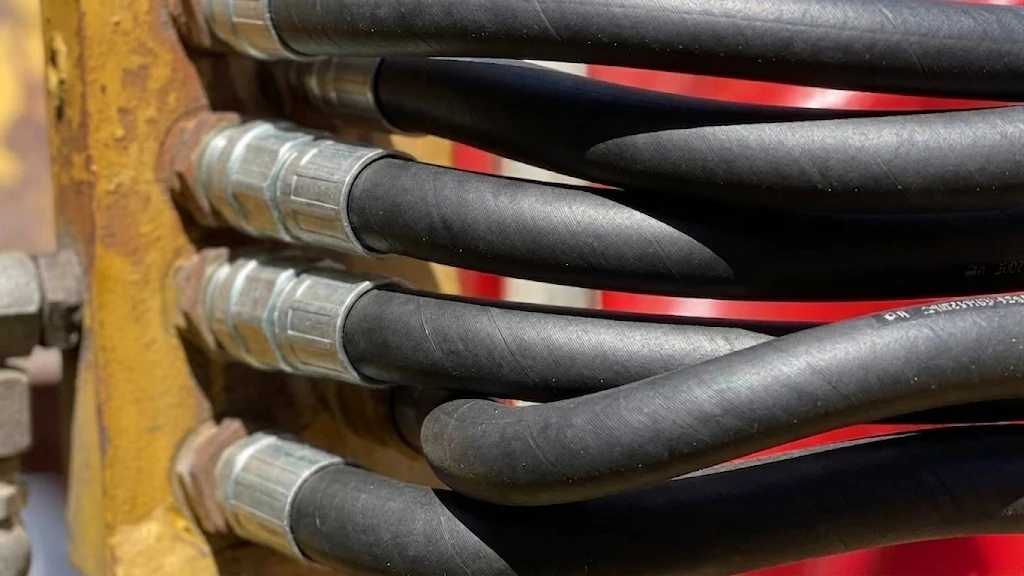
Your day has been going fine equipment and systems running well, and then all of a sudden pssssssstttttt! Oil everywhere right?
Blown hydraulic hoses somehow seem to be in evitable for equipment operators. Sometimes we get out and survey the mess and think, “Now what?”
1. Identify the hose problem
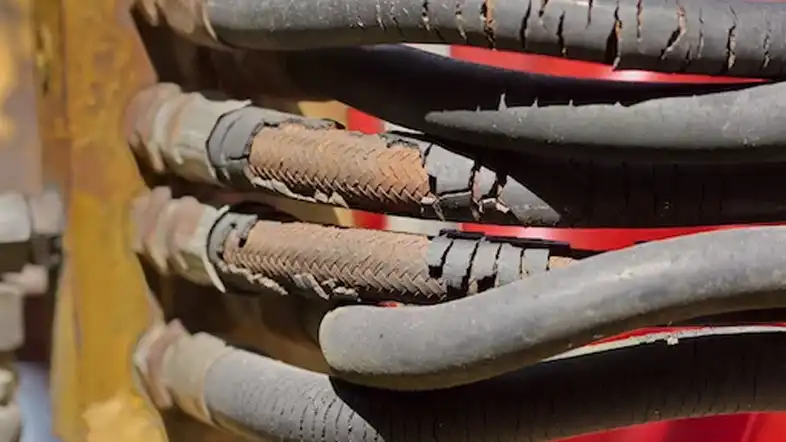
Find the damaged hose and remove it, now is also a good time to check all the other lines on your machine for wear and tear as they are probably all about the same age. Some common signs of wear include cracks and peeling, leaks, and aging.
Tip: It has never been a good idea to check leaks with your bare hands. Use a paper or leak detectors instead. The fluid chemical content, heat or something else can harm you.
2. Know the components surrounding the hose
Sometimes the hose is placed in a congested joint and you might be required to remove some components to reach the hose end. If there are any loose connections and metals adjacent to the hose, secure them avoid injury while you are repairing the hoses.
Tip: Relieve the pressure valves before removing the hose and other components. Otherwise, any fluid in there will blow out in a shower!
3. Remove the damaged part or the whole hose if necessary
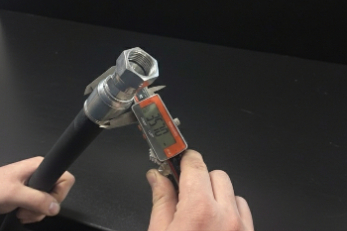
The fact is that with that damaged area, the system isn’t going anywhere. So if there is a problem at the hose end such as a leaking coupling, cut the end off. But if the problem is somewhere in the middle, or the whole hose is very old, remove it.
Tip: Clean (properly) and plug the ends and the disconnected areas to clear any chances of debris getting in. Loosen both hose ends if you are replacing the whole hose.
4. Find the perfect hose for replacement
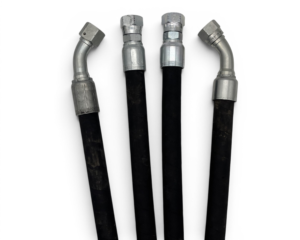
The fallen warrior fought well, now find a better substitute for him. Carry the damaged hose to a skilled repair shop like BJ Hydraulics to get a new one made professionally. This will save you some good money and your precious time.
Tip: Never (and I repeat, Never) substitute an incorrect hose even temporarily. Don’t give any chances for such cheap mistakes to ruin your million-dollar earthmover.
5. Reinstall the hose, use an adapter if necessary
It’s good to have a full kit of different adapters for cases when hydraulic couplings become a challenge. Install the any adapters (if there are any) in the necessary ports before connecting the hoses. Tight is enough; over or under-tightened connections can break hell loose unexpectedly.
Tip: Clean all the fittings before reinstalling the hoses and other connections. It pays to keep contamination at bay.
6. Confirm suitable hose length and seal tightening
Before connecting the hose ends, you need to make sure that any seals are installed correctly, and that they are tight. Also, ensure that the hose isn’t too short or too long. When connecting, don’t twist the hose, but use a wrench instead.
Tip: The smallest of gaps left when fixing the seals can cause the biggest of damages in the hydraulic system. Be sure to seal any gaps.
Before getting into it
It is always advisable to use hoses and components produced by trusted manufacturers. Fake fittings and improper crimping can cost you dearly.
BJ Hydraulic is a distributor of a diverse range of quality hydraulic hose and fittings. Call in at any time for help or to make your order.
BJ Hydraulics. We’ve got your back. Reach us through our contact page, email or office line; at any working hours.