Hose Safety
Intro
Todays topic is on Hydraulic Hose Safety! But first a little intro, at BJ Hydraulic, we have decided to start compiling and sending out articles to keep you informed and up-to-date with information we find useful or even humorous in hopes that it will not only assist you, but also enlighten your day. We have a lot to share, but just to make sure we are starting out on the right page we thought we would give you some tips on safe practices regarding hydraulic hose.
Hydraulic Hose Safety
The primary purpose to establish safe procedures regarding hydraulic hose safety is to prevent employee accidents. Industry and legal standards provide sensible instructions in relation to handling, inspections and usage periods of hydraulic hoses. Observing these regulations not only offers safety and legal compliance, but also financial benefits in the machines operational time is vastly increased. BJ Hydraulic supports its customers with perfectly tailored hydraulic hose and fittings. Check out our options here!
Hydraulic systems and hydraulic fluid can be hazardous to workers in several common scenarios.
- Improper hose end selection
Never mix and match low and high pressure fittings, and brands which have never been tested together. Mismatched components may cause a rupture in a hose or fitting. Our team of professionals is able to help you ensure that your system components are correct. Reach out!
- Pinhole leaks
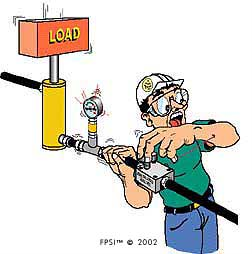
Never use your hands to locate a leak in a hydraulic line, because the hydraulic fluid is highly pressurized and can penetrate your skin or eyes causing severe injury or death. When trying to locate a leak in a hydraulic hose use proper eye protection and gloves.
- Component maintenance or replacement
Always relieve hydraulic pressure in a operating system before detaching or attaching a hydraulic hose or component when making repairs. The hot fluid in the system is under extreme pressure. If a worker is exposed to hydraulic fluid while removing or adjusting components, he or she may sustain burns, bruises, cuts, abrasions, or injection of fluid into the skin.
Hydraulic Hose Safety Tips
Follow these recommendations when using equipment with hydraulic systems:
- Before leaving the machine, lower any hydraulic parts that may be under to the ground and relieve hydraulic pressure by moving the control valve back and forth several times.
- Park the machine in an area where children are unlikely to come into contact with it.
- To keep the machine in place during transportation, lock the cylinder stops.
- Use cylinder stops, locks, or blocks for raised equipment or components when servicing hydraulic components or performing maintenance.
- To reduce the risk of escaping oil, make sure all the line connections within the system are tightly connected with the right adaptors.
- Use a non-volatile cleaning solution when washing parts.
- Keep your hydraulics properly adjusted for better control of your machine or implement.
TL;DR
Safety ALWAYS comes first! Do your due diligence to ensure your hydraulic hose safety procedures are current and relevant!
.